

Biomass Processing and Biochar Production
Our patented biomass processing units, with over 40,000 hours of production time, can cleanly and economically process over 25 different types of agricultural waste streams (biomass). The flexibility of our biomass processing technology allows us to produce unique formulations of biochar that have been proven to increase yields, improve water holding capacity, increase organic matter in soils, improve crop survival, and sequestered carbon. As part of our long-term Field Study Program, we have learned “Not All Biochar Is The Same”. Different production technologies, different biomasses, and different application rates will result in widely different impacts in soils and crop performance. During our 5 year in-field Biochar Study Program at 30 different locations, we have identified that certain types of biochar, applied to certain types of soils and plants, at specific rates of application, can have very different impacts on crop yields and soil health. This study program included over 15 different crop types located in 6 different states. Knowing how to make and apply biochar correctly can have significant impacts to the economics for our customers and growers.
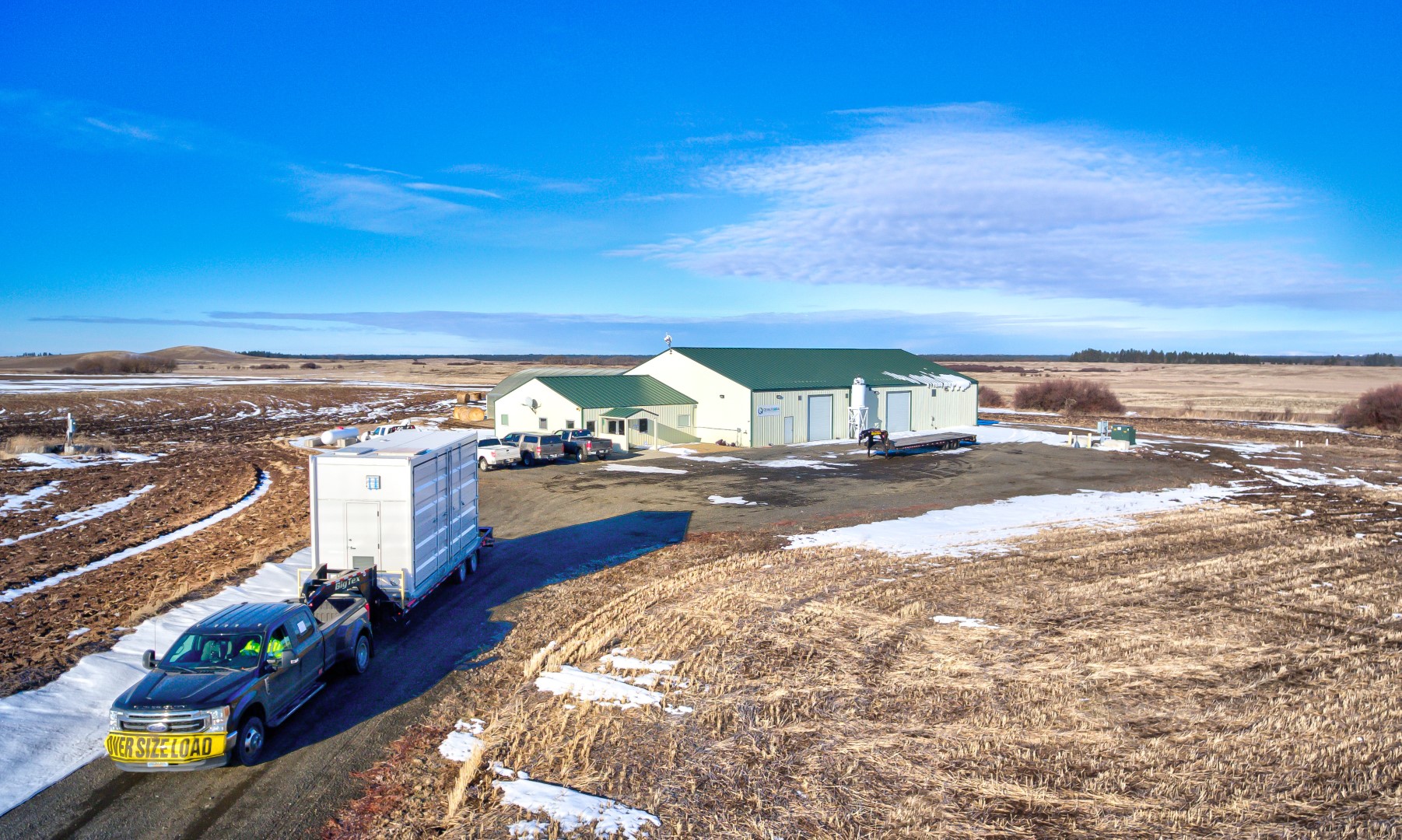
Qualterra Biomass Processing Units (BPUs) are modular and scalable, maximizing our customers’ flexibility in their use. The picture above is a Qualterra BPU leaving the Qualterra manufacturing facility and R&D headquarters in Cheney, WA.
We design and build Biomass Processing Units: modular, scalable units which can integrate into a comprehensive agricultural waste management system. These units can process client’s biomass waste, sequestering carbon into biochar that can be applied back into their production systems. Energy is captured from the units and helps offset energy costs of warehouses, greenhouses, or buildings.
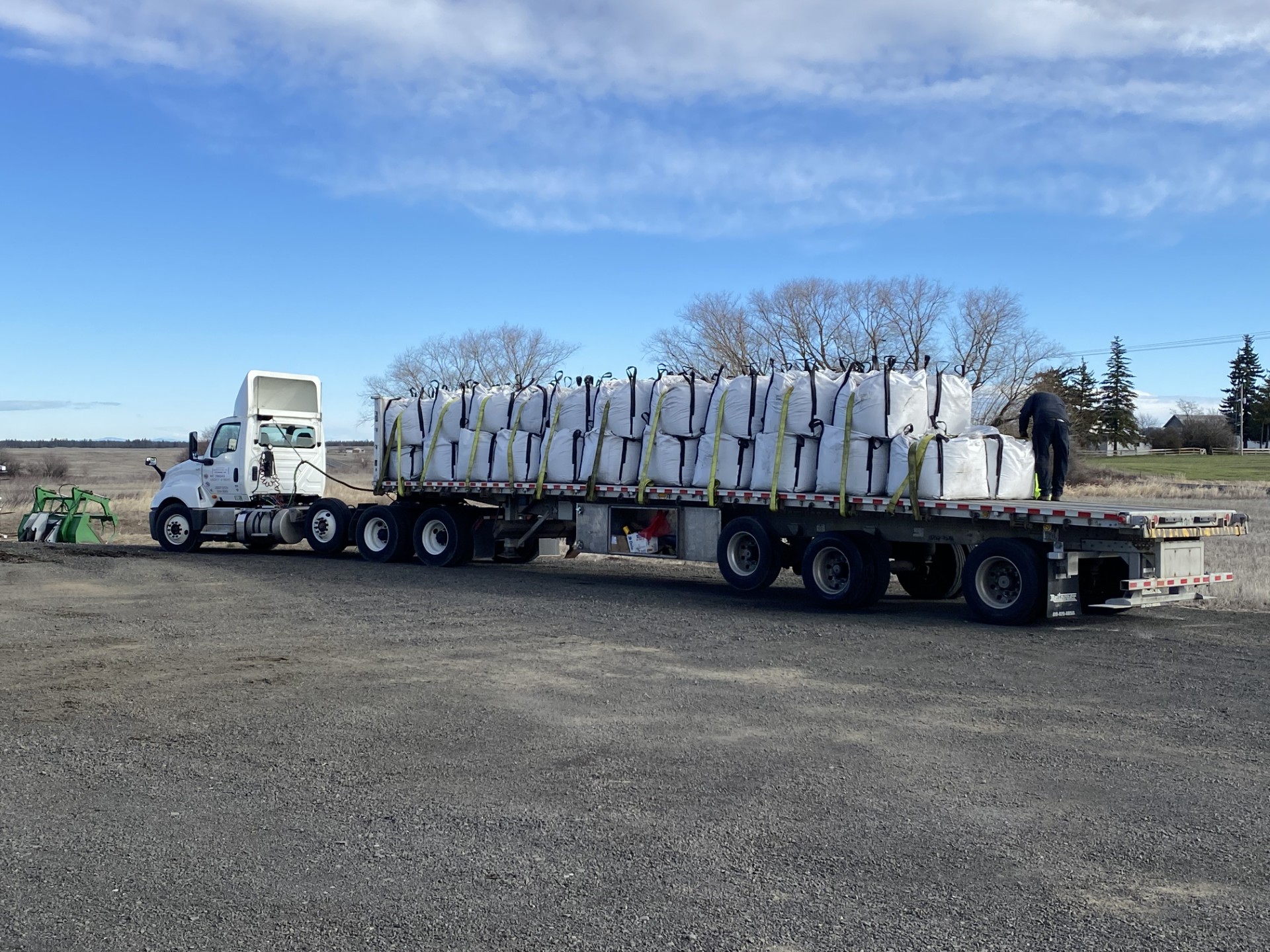
We produce our own biochar, which we sell to agricultural producers in bagged form via our website or bulk totes. We offer wholesale and bulk volume discounts.
connect with us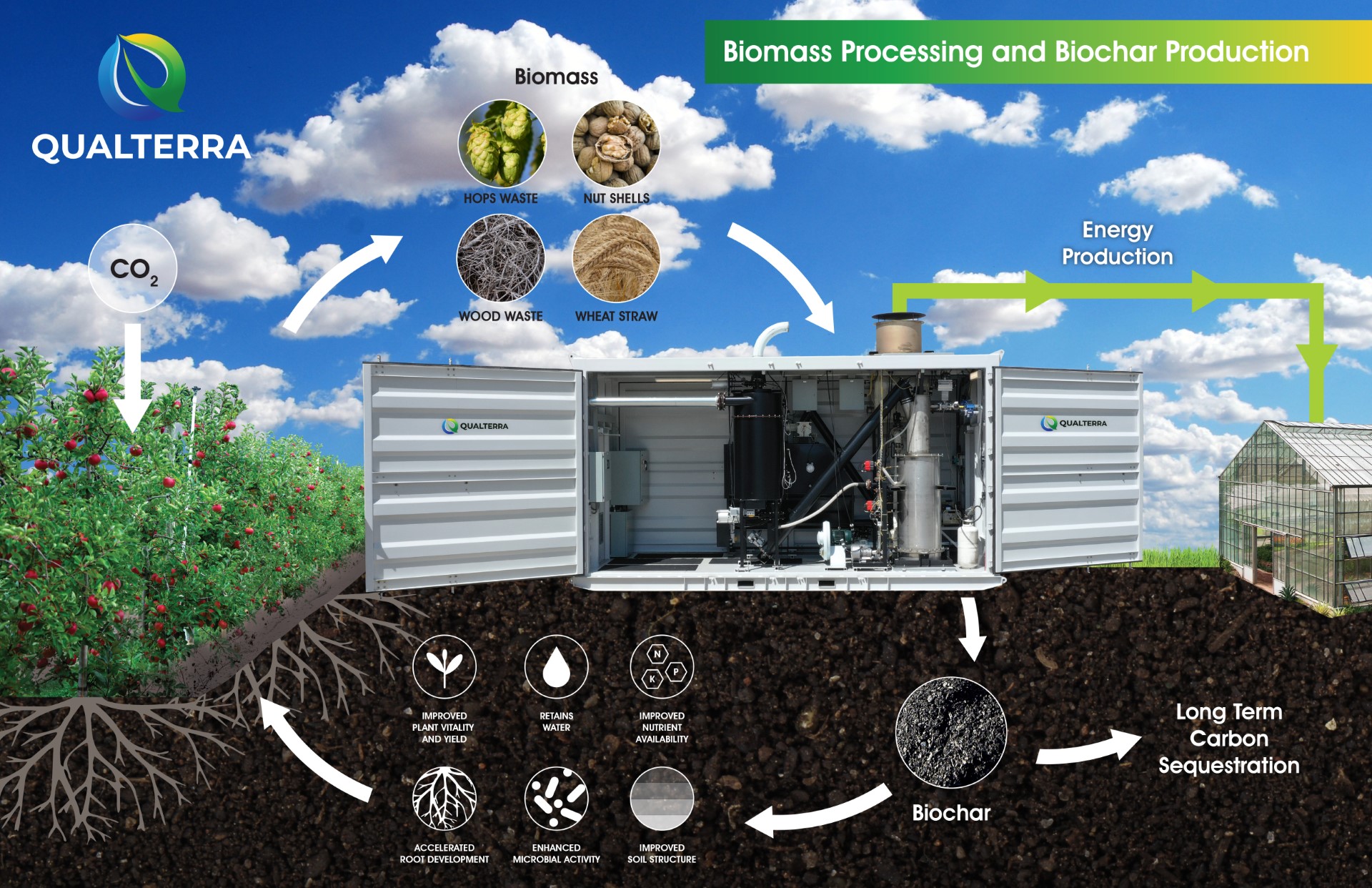
Qualterra biomass processing technologies reduce agricultural waste by turning it into biochar, a beneficial soil amendment, that improves plant health. Additionally, energy created by the biomass processing unit can then be captured and utilized in a variety of capacities.


